How we got here.
In 2010, Mark and I sat in on a post-mortem where one of our clients reviewed the failure of an online course experiment.
Here’s what “online courses” looked like then:

What a mess! The Learning Management System (“LMS”) greeted eager learners who’d paid good money with...
Content chaos. So. Many. Links. All competing for attention.
No sense of progress. What’s next? What’s done? Where am I? (Good luck.)
No designed experience. Zero effort given to creating a usable, beautiful online experience. (Isn’t it ironic, given the time and money spent making offline campuses beautiful?)

It’s no wonder the course utterly failed.
We were angry with the inept software and left the meeting to furiously prototype a better solution. The next morning, we pitched it to our client, and they funded part of what we needed to start building a better way to teach and learn online.

Content isn't enough. If it were, libraries and the internet would have made geniuses of every one of us. No matter how easy it is to access or generate content, we need someone to meet us where we are and help design a path to where we want to go to make lasting progress.
Paths are the invisible glue that connect people and information to progress. Path-making is one of our most powerful human instincts — we all do it as teachers, parents, mentors, leaders, and for ourselves. However, we rarely do so intentionally and often only see the Path that brought us where we ended up in hindsight.
Unfortunately, two main problems block your way.
First, understanding something new is hard. Some people get lost no matter how hard you try. The spark of inspiration doesn’t come easily. We can't make those problems go away, but we can make them less powerful.
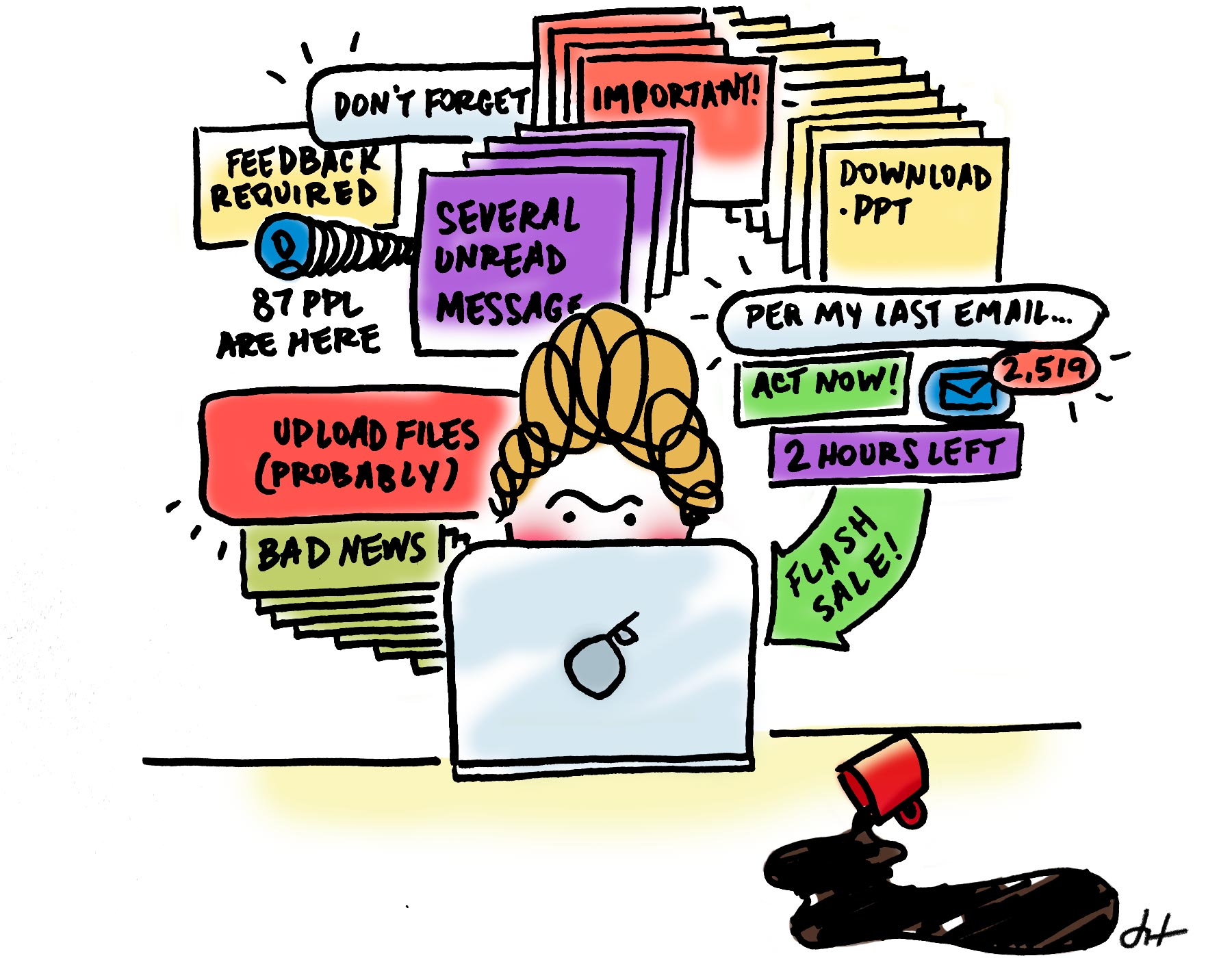
The second problem is worse. The paths you make — threading notebooks, emails, PDFs, video calls, and spoken encouragement together — are invisible. You can't design what you can’t see. I’m sure you’ve tried, but it takes something that works with you not against you.
For over a decade, our team has built Pathwright alongside thoughtful, creative educators (not venture capitalists) as an alternative to the online learning status quo. With Pathwright you can see, design, and invite anyone to join a path through the challenge of learning anything. Hopefully it's the supertool you’ve been looking for.

We don’t focus on winning feature list comparisons or chasing trends for making money online. We focus on one thing: Helping you design focused, personal learning experiences for others — whether it’s one person or one hundred thousand.
So far we’ve helped path makers design paths for over 2 million learners who’ve completed more than 80 million steps.
If you’re looking for an alternative to the status quo, give Pathwright a try. If you have any thoughts or questions, feel free to email me.
— Paul Johnson
and the Pathwright Team

Brad
Reardon
DEVELOPMENT

Christian
Shockley
LXD

David
Chapman
DEVELOPMENT

Evan
Walker
ACCOUNTING

Hosanna
Greene
GUIDANCE

Joe
Van Leeuwen
DEVELOPMENT

Justin
Hall
BRAND, PARTNER

Kim
Chapman
GUIDANCE

Mark
Johnson
COFOUNDER, DEVELOPMENT

Michelle
Johnson
GUIDANCE

Paul
Johnson
COFOUNDER, DEVELOPMENT
